





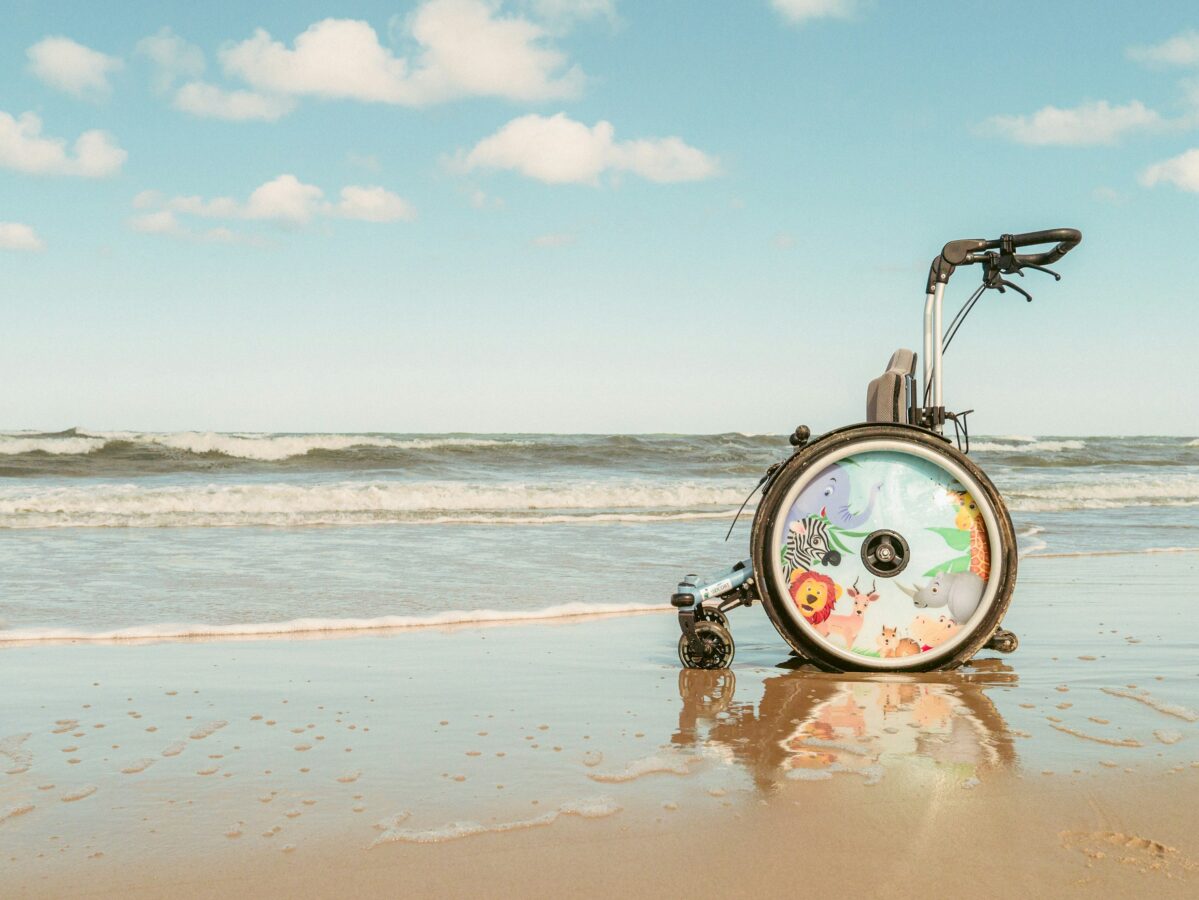
As July arrives and temperatures soar, many of us eagerly embrace the warmth and sunshine that summer brings. However, for individuals living with disabilities, the summer heat can present unique challenges that extend far beyond mere discomfort. In recognition of Disability Pride Month, this blog delves into how heat can disproportionately affect individuals with disabilities, exploring its impact as a form of sensory overload, and providing comprehensive strategies to cope with these challenges.
Defining Disability
Disability is an intriguing and diverse concept that goes beyond just medical conditions. It is defined by influential guidelines like the World Health Organization's International Classification of Functioning, Disability and Health (ICF) and the Americans with Disabilities Act (ADA). The ICF states that disability isn't just about impairments, but that it includes how much people can do and what stops them from taking part. The ADA in the US also defines a disability as a physical or mental problem that significantly limits major activities, like learning or getting around, and it advocates for accessible environments. On a global scale, the United Nations Convention on the Rights of Persons with Disabilities (UNCRPD) views disability as something that changes over time due to barriers that prevent full participation. These ideas show that disability covers a wide range of challenges, including not just physical differences, but also differences in the ways people think, learn, or move.
How Heat Disproportionately Impacts Individuals with Disabilities
Managing summer heat presents unique challenges for individuals with disabilities, affecting a wide spectrum of conditions from physical impairments to neurological disorders. Conditions such as multiple sclerosis (MS), fibromyalgia, and chronic pain disorders can significantly exacerbate symptoms in response to elevated temperatures. For example, individuals with MS often experience Uhthoff's phenomenon, where increased body temperature impairs nerve function, leading to weakness and fatigue. Similarly, those with fibromyalgia may experience central sensitization, where the central nervous system becomes hypersensitive and amplifies pain signals, leading to intensified pain and fatigue during hot weather. Heat sensitivity also poses distinct challenges for individuals prone to migraines, exacerbating symptoms due to dehydration, which can cause painful headaches and sensitivity to light. Similarly, sunlight sensitivity is a significant concern for individuals with autoimmune conditions such as lupus and rheumatoid arthritis, as exposure can trigger joint pain and fatigue. Individuals with respiratory illnesses like asthma and COPD also face increased challenges during summer, particularly in areas with poor air quality.
Heat as a Form of Overstimulation and Overwhelm
Beyond physical discomfort, Heat can trigger profound sensory overload and emotional distress for individuals with Autism Spectrum Disorder (ASD). Many individuals with ASD have heightened sensitivity to sensory stimuli such as temperature changes, bright sunlight, and tactile sensations such as clothes clinging against their skin. During hot weather, these stimuli can overwhelm their sensory system, leading to discomfort and agitation. Additionally, the heat exacerbates challenges related to emotional regulation, often resulting in increased anxiety, frustration, or meltdowns. The combination of sensory overload and discomfort may make it difficult for individuals with ASD to participate fully in summer activities, especially in social settings where unpredictability and crowded environments can further intensify their stress.
Strategies to "Beat the Heat"
Recognizing some of the unique challenges posed by summer heat for individuals with disabilities is essential to finding practical solutions for these challenges. Some strategies individuals with disabilities can implement during the summertime are:
- Clear Communication of Needs: Effective communication of your heat sensitivity and specific needs is crucial. Whether it is informing caregivers, employers, or social companions, clear communication ensures that appropriate accommodations can be made when necessary. For instance, someone managing chronic fatigue syndrome might request a flexible work schedule during hot days to maintain optimal energy levels. Additionally, it is important to note that consistent self-advocacy, while important, can often become very taxing itself. The key to enjoying a happy and fulfilling summer may be in finding the balance between communicating your needs to others while also making the time to rejuvenate and take breaks from such conversations.
- Building Support Network: Establishing a reliable support network can significantly alleviate stress during hot weather. Family members, friends, and support groups can all provide assistance and companionship during these times, ensuring individuals have access to help when needed. For example, someone using a wheelchair can rely on neighbors to assist with difficult tasks during heatwaves, thereby creating a network that supports their independence and overall well-being.
- Managing Energy and Fatigue: Heat can greatly exacerbate fatigue. Planning activities during cooler parts of the day and pacing oneself are therefore vital strategies to conserve energy and prevent overheating. For someone with conditions like lupus, this means scheduling rest breaks during outdoor activities and prioritizing tasks that require less physical exertion on warmer days instead.
- Using Assistive Devices: The use of cooling vests, personal fans, or adaptive equipment can help regulate body temperature and provide relief from heat-related discomfort. For individuals with migraines, for instance, seeking shade or wearing protective gear like hats or sunglasses outdoors might be essential strategies that can help mitigate the effects of migraines. Similarly, for individuals with MS who may struggle with heat sensitivity, the use of cooling vests can ensure that they are able to participate in outdoor activities without fear of impacting their health.
- Accessible Transportation and Mobility Support: Planning accessible routes and ensuring transportation options are equipped with cooling amenities can facilitate comfortable travel during hot weather. An individual with ASD might particularly benefit from using accessible public transportation equipped with an air-conditioner, so as to avoid feeling overwhelmed and overstimulated by rapid temperature changes and tactile sensations.
- Hydration and Nutrition Management: Maintaining proper hydration and consuming hydrating foods can support overall well-being and mitigate the effects of heat on the body. For individuals who experience migraines, staying adequately hydrated with water or other electrolyte beverages can help combat dehydration symptoms that may worsen already painful headaches. Additionally, someone with diabetes may combat the heat by packing nutritious meals for the day that will help maintain stable blood sugar levels.
- Preparing for Emergencies: Developing a personalized emergency plan that includes medical needs and evacuation procedures specific to one's disability might be essential for responding to heat-related emergencies effectively. Someone with epilepsy who prepares an emergency kit with medications and emergency contacts can ensure that they are prepared for unexpected situations during extreme heat.
These strategies are not only practical but are tailored to meet the diverse needs of individuals managing disabilities during the summer, enhancing their ability to navigate the season with comfort and confidence.
Conclusion
As we celebrate Disability Pride Month, it is essential that we recognize the diverse ways in which individuals with disabilities navigate the world, including the challenges posed by seasonal changes like summer heat. By delving into the neurological underpinnings of heat sensitivity and implementing practical management strategies, we can foster environments that are more inclusive and supportive for all. Embracing inclusivity in every facet of life brings us closer to a world where each person's unique strengths and challenges are not seen as limitations, but as valuable attributes. Here's to a summer marked by empathy, solidarity, and significant strides toward a more inclusive future.