





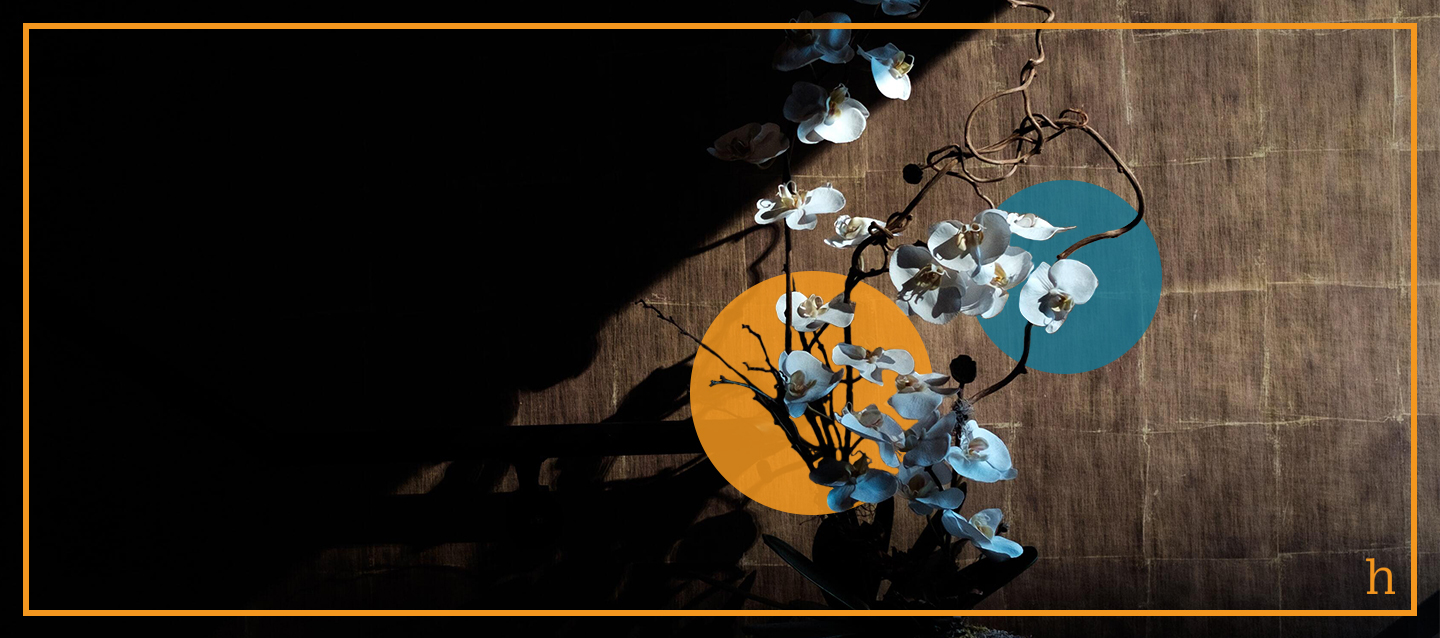
"Someone I loved once gave me a box full of darkness. It took me years to understand that this too, was a gift."
― Mary Oliver
In the northern hemisphere, December 21 is the day of the Winter Solstice. The word "solstice" derives from the Latin words "sol stetit" which means "sun stands still." As such, it is the darkest and shortest day of the year, signaling the beginning of winter.
Winter is the season of stillness. Plants go dormant. Our activities slow down. In some areas of the world, snow and winter weather shifts our lives indoors.
There is a tendency to dread winter. After all, darkness is one of the season's most notable traits. The sun sinking so quickly below the horizon can feel like theft, robbing us of the joy and safety we felt during the summer months.
We are taught to fear darkness and see dormancy and stillness as less fruitful than the productivity associated with warmer months. But, winter has its fruits also; we only need to reframe our perception of this time of year to see them.
Normalizing Rest
Perhaps part of our resistance to winter is that it asks us to slow down. Our culture in the United States prioritizes productivity. For some, it's easier to always be busy than it is to make time for rest. Author Brene Brown posits that we use busyness to ignore issues or pain that we may be feeling. She explains, "'Crazy-busy' is a great armor, it's a great way for numbing. What a lot of us do is that we stay so busy, and so out in front of our life, that the truth of how we're feeling and what we really need can't catch up with us."
Our resistance to rest and our obsession with busyness can happen for a few different reasons:
- We use busyness as a status symbol to elevate ourselves.
- It can help us avoid negative emotions or self-reflection.
- We have a fear of being unproductive or of missing out.
For some, busyness is what provides their life with meaning. For example, from what we can tell, Ruth Bader Ginsberg was a very busy woman. RBG worked tirelessly for a reason; however, she didn't use work as a means for avoiding other things. Busyness is OK as long as it is a conscious decision rather than an unconscious habit or an unhealthy excuse.
The amount of rest that we need as individuals is dependent on who we are and what our bodies need. There is a difference between healthy busy and unhealthy busy. If you are experiencing burnout, depression, anxiety, or you simply feel unhappy or unfulfilled, this may be a sign that your busyness isn’t healthy for you.
It's essential to keep in mind that rest is as important as activity. They are complementary to one another; we rest so we can be active. Further, we can choose to view rest as a meaningful activity—one that the inherent slowness of winter can allow us to prioritize.
The Dutch have a concept called "niksen", which is the art of doing nothing. Niksen directly translates to "nothing-ing,"— it's the idea and practice of consciously doing nothing. This isn't to be confused with mindlessly scrolling through social media or watching TV. When put into practice, niksen is merely sitting down and intentionally letting the mind wander. It might be easy to associate the idea with meditation, but it's actually the opposite. Niksen isn't mindfulness; it's mindlessness. It's been proven to manage stress and anxiety, and help people recover from burnout.
This form of rest and "non-activity" is great for people who don't enjoy meditation or already have too much on their plates for other mindfulness practices. Niksen is an excellent exercise for those who wrestle with feelings of unease that arise from the lack of busyness.
Here are a few additional ways that you can integrate more rest into your lifestyle this winter:
- Go for a walk
- Spend time in nature
- Listen to music
- Meditate
- Read
Celebrating in Darkness
Ancient cultures celebrated the Winter Solstice as a return of the light, a turning point in the year when days slowly begin to get longer. It was viewed as a moment of transition and renewal. Rather than dreading the season, how can we find ways to celebrate and savor it?
It may seem counterintuitive to "celebrate" during the winter. It is, after all, very dark, and it's natural to feel uncomfortable in darkness; we fear things we cannot see. For people prone to anxiety and depression, the long winter nights can create an extra layer of stress. Feeling down during this season is very common. More than 3 million people a year in the United States experience seasonal affective disorder (SAD), which is a form of depression that emerges during the winter months.
There are many ways to cope with anxiety and manage depression—such as working with a professional therapist. However, here are some winter-specific ideas that can reframe the purpose of this season.
Create Winter-Specific Celebratory Rituals
It's easy to see how we create celebratory rituals during the warmer months. For example, in the summer, we may eat dinner on the rooftop at a local eatery, or spend Saturdays at the park. Without similar seasonal rituals during the winter (especially during a global pandemic), there may be a void that can illuminate the more challenging aspects of the season. Winter rituals can be something as simple as drinking a particular blend of tea in the mornings or keeping fresh flowers in the house. Creating rituals around the winter season is a wonderful way to embrace it and help manage any additional stress caused by the global pandemic.
Focus on you
Winter is an excellent time for self-exploration and care. It's natural to turn inward during these months, as we quite literally spend more time inside. Taking steps to develop a deeper understanding of ourselves and implementing healthy self-care habits can improve self-esteem and help manage stress and anxiety. One of the most accessible ways to do this is to keep a journal. Journaling creates a space for processing our emotions and reflecting on our life and goals.
Change is one of life's constants, and the seasons are change embodied. Winter presents us with an opportunity to embrace change and adopt new ways of living and seeing the world around us. If we choose, we can use the winter months as a time to rest, reflect, and find renewal.