


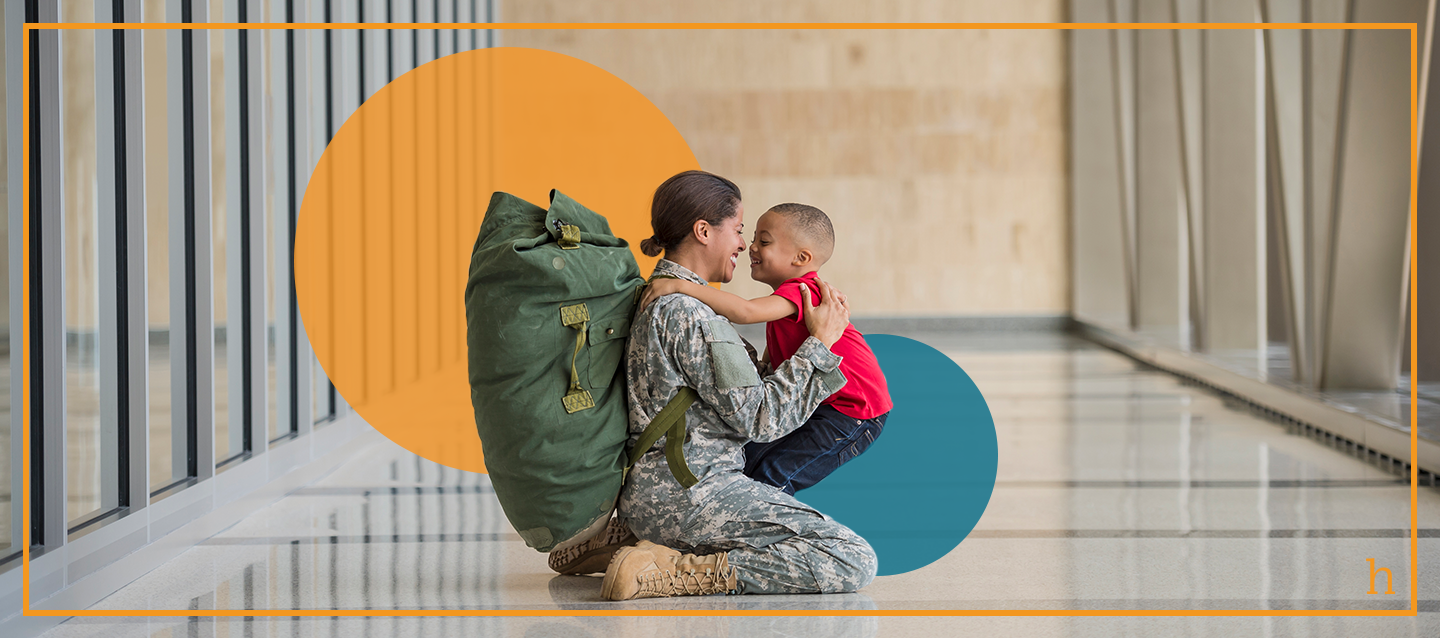
Just over 1% of our country's population makes the decision to raise their right hand and swear to uphold and protect the Constitution of the United States of America by serving in the military. Upon choosing to join this all-volunteer force, service members have the opportunity to experience camaraderie, refine their leadership skills, and develop discipline — among other things. Upon entry into the military, service members join an organization with a shared purpose which bonds them across branches. The sense of belongingness that service members feel after weeks in the field or deployment overseas is a testament to how strong this camaraderie is.
The military is guided by the sound decisions of good leaders and powered by the hard work of those in rank and file. The skill of leadership is developed down to the lowest ranks to ensure the continued readiness of the force throughout generations. As many have learned, it is easy to lead when conditions are favorable, but true leaders can lead when morale is low, resources are limited, and accomplishing a mission seems nearly impossible. Regardless of rank, service members continuously learn the value of persistent self-discipline. From personal experience: nothing tests self-discipline like lying in the prone position on security for hours, after consecutive sleepless nights when your eyelids feel heavy, and the buttstock of your M4 starts to feel more and more like a pillow.
The many skills that service members learn as part of their chosen job assignment can be used in the pursuit of a more mentally resilient, ethically sound, and emotionally flexible organization. Like any large organization, the military has its flaws and areas in which it needs to grow.
The profound power that lies in the sense of camaraderie, shared purpose, leadership, and self-discipline can have devastating impacts when not applied correctly. For instance, false camaraderie can protect perpetrators of sexual assault and isolate sexual assault victims within the force. The sense of a shared purpose can become intoxicating and strip away individuality and innovative thinking. Leadership can make or break the organization, as toxic leaders hold many powerful positions and make poor decisions that impact service members every day.
Finally, an over-developed adherence to self-discipline can lead service members to be overly critical of themselves, develop low self-esteem, and push themselves too far. The detrimental impacts of this are revealed in the reports of mental health concerns and the associated stigma from both veterans and those currently serving.
Recognizing and being honest about how our military needs to grow and adapt to better support those who choose to join will only make us a stronger and more resilient organization. Hiding and covering up how we, as an organization, have failed in the past degrades the integrity of the organization as a whole.
As the military works toward making necessary changes for the health and well-being of those that serve, it is also essential that individual service members tend to their mental health needs. Qualified therapists who understand the military culture can help service members navigate their mental health needs. They can play a role in building resilience, increasing problem-solving abilities, and developing mental agility.
Further, mental health providers must develop cultural humility before working with service members. Understanding the military's unique culture can provide insight making therapy for veterans and current service members more therapeutic.
As we celebrate Military Appreciation Month, I encourage service members to honestly and non-judgmentally reflect on their mental health needs. And for mental health providers to learn something new about the military and the lives of service members.