





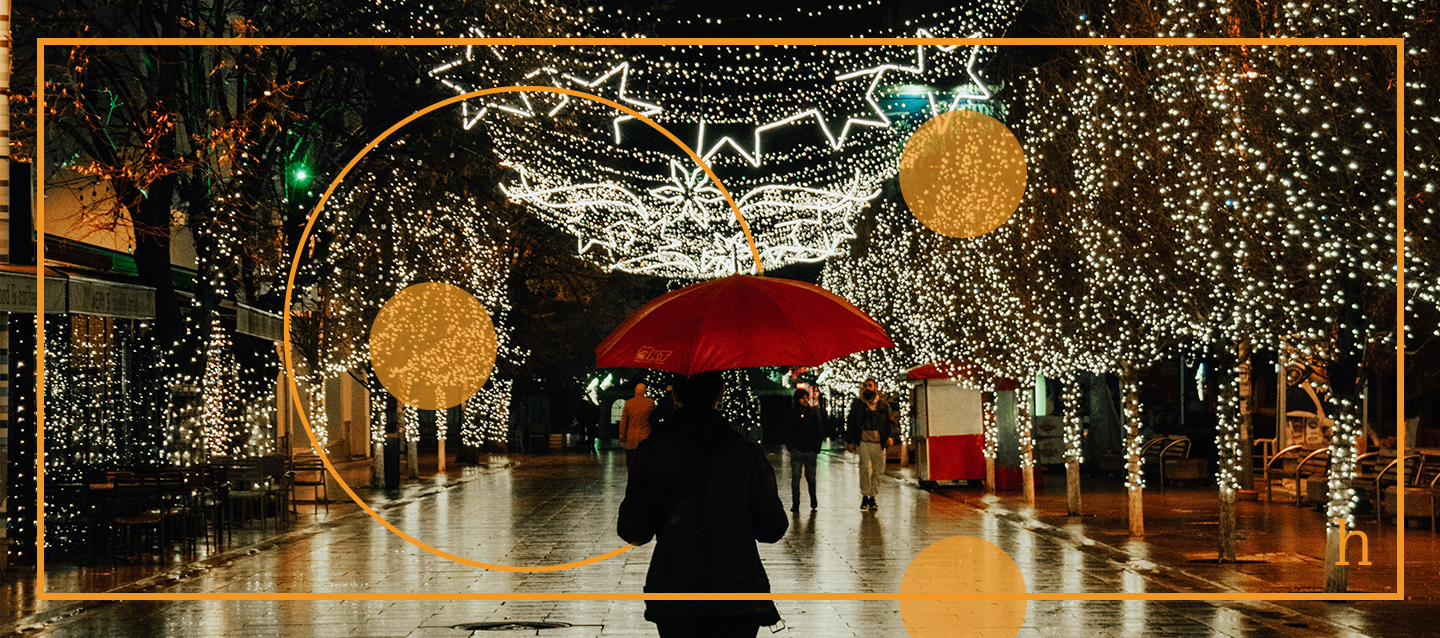
While it may feel like Christmas has the market on the holiday season here in America, there’s an entire host of winter holidays and festivals observed this time of year. From Diwali and Hanukkah to Christmas and Winter Solstice to New Year’s Day and the Chinese New Year, there’s much to celebrate. And with this country’s increasingly diverse population, inclusivity is one of the best ways you can genuinely spread cheer and prevent the loneliness or othering that may occur when someone is not part of the dominant culture.
So what does inclusivity at the holidays look like?
- Practice kindness to yourself so you can extend it to others
No matter what you celebrate, this time of year can often be taxing, if not outright emotionally triggering. Dealing with the financial stress of the season for those whose traditions include gift-giving, in addition to the demands placed upon our time and emotional resources, can often leave us feeling stretched thin. From a self-care perspective, this is a good time to practice some boundary setting. This might look like saying no to the hundredth thing on your plate, choosing simplicity over spectacle or understanding that we cannot be everywhere and everyone to all people. In this way we can preserve our sanity and peace, ushering in space for kindness and grace to others, which the holidays invite us to do.
- When in doubt, go with “Happy Holidays”
While known to stir controversy these last few years, the phrase “Happy Holidays”' is, at its core, an acknowledgement of the possibility for diversity, appreciation for tradition, and a recognition of the celebration of rest, darkness and hope that transcends many cultures. This isn’t to say you can’t wish someone a Merry Christmas or a Happy Hanukkah when you know they celebrate those holidays – by all means, go ahead! But when you’re unsure of someone’s religious or cultural background, “Happy Holidays” truly is an inclusive and respectful way to bring all into the fold of the season.
- Volunteer
The most wonderful time of the year for one person may be the most difficult time of year for another. One way to practice inclusivity this time of year is to consider the marginalized communities by giving them your time, energy and financial support if you’re able to. Whether it’s volunteering at your local food bank or shelter, giving blood, visiting the elderly or sick, or simply performing random acts of kindness, there are unending opportunities to give back to others this holiday season (and beyond). Not to mention, research indicates that volunteering is good for our mental health.Talk about a win-win!
- Learn about others’ traditions
Perhaps there are people in your circle of caring who do not get to see their families or practice their holiday traditions. This might be a good time to respectfully invite them into your own celebrations (and practice understanding should they decline). Get curious about those whose experiences differ from your own. Operating from a place of respect and appreciation of other groups’ traditions and cultures helps people feel comfortable sharing their customs. Ask them questions and let them lead the conversation. Realizing that other people celebrate in ways different than what you are used to can open the door to deeper friendships and understanding.
- Bring inclusion to the workplace
With so many holidays and traditions taking place in December, tensions can arise and people can easily feel misunderstood or left out, especially if they aren’t part of the dominant culture. Inclusion in the workplace can look like encouraging employees to share how they celebrate and incorporating it into any (non-mandatory) workplace holiday events or parties. It’s also good practice to avoid scheduling conflicts by consulting interfaith calendars.
- Represent
We have so much to learn from each other! Representing your own holiday traditions, culture and background can be a fun and educational way to teach others how you celebrate.
At the end of the day, being inclusive at the holidays isn’t about minimizing your own traditions. It’s about expanding your worldview so you can better understand and appreciate the beliefs, traditions and customs of others, while you share and celebrate your own. Happy holidays!