





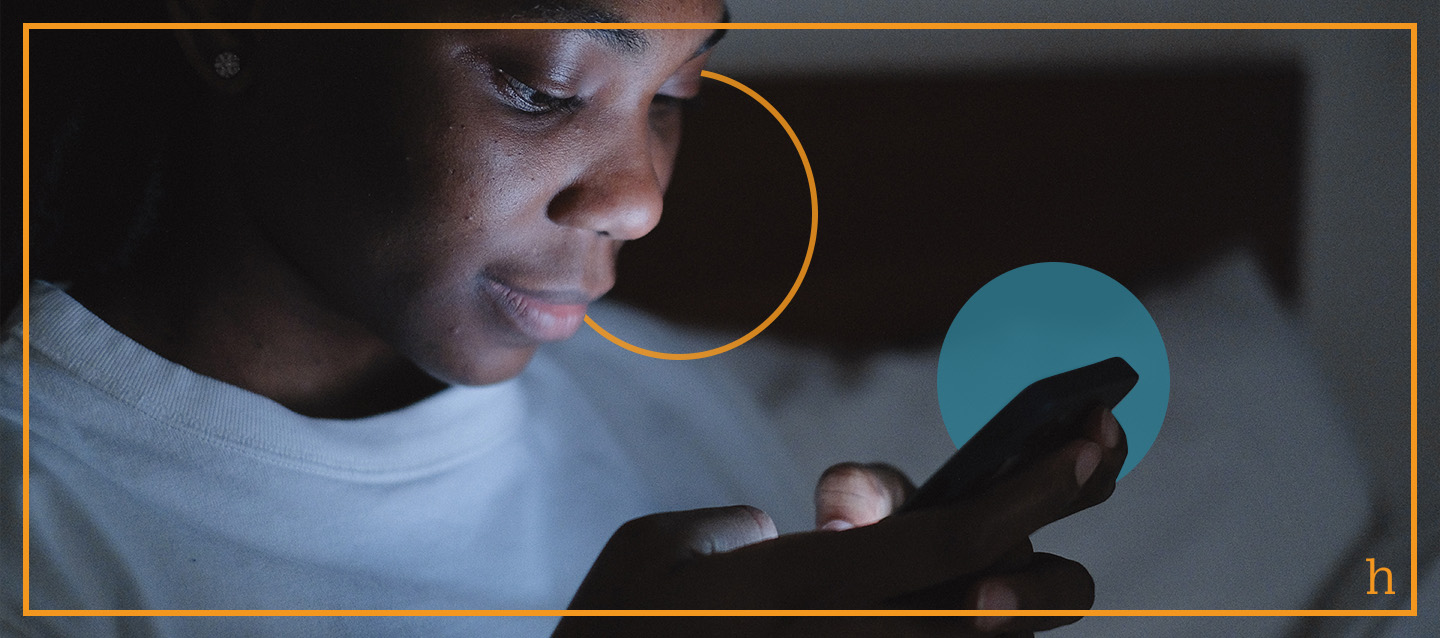
Ring. Ping. Chimes. Buzz. Alarms. Click clack. New notification. Rinse and repeat now unto eternity? These are only a few of the dozens of sounds and alerts the average American manages on almost a daily basis.
When the spread of COVID-19 in the United States sparked nationwide shutdowns of schools and businesses, everything technological became even more essential. People relied on technology to do their work, learn in virtual classrooms, meet with health care providers, and connect with friends and family. In the last three years, digital use has quadrupled to keep up with the ever-changing landscape of our new and revised ways of interacting, and for many, this has contributed to digital exhaustion.
What is digital fatigue?
Digital fatigue is the state of mental exhaustion brought on by the excessive and concurrent use of multiple digital tools, like apps and screens. This exhaustion can lead to a lack of energy, difficulty concentrating, and trouble sleeping. It can even be damaging to the body, causing eye soreness, headaches/migraines, and irritated eyes, as well as pain and discomfort in the neck and shoulders. If left untreated these symptoms can both contribute to and/or exacerbate the effects of stress and other psychological disorders.
Establishing digital boundaries
You might be reading this (from a source of technology) and are thinking, “I work a remote or hybrid job. And the only way to keep up with my family and friends is through social media. There’s no way I can avoid digital fatigue.” The truth is you’re right. The goal is not to suggest that you will be able to escape this new reality; it’s about supporting you in finding balance, and minimizing digital exposure and the stress that causes in your personal life. Here are some things to try to establish digital boundaries:
- Schedule a phone-free morning. If that feels lofty, attempt to go without media for your first hour awake.
- Remember that less is best! Consolidate the apps that you use most often for social communication. Do you really need Zoom, Skype, FaceTime, and WhatsApp on all your devices? Probably not. Or selectively allow apps to provide notifications at certain hours of the day where applicable.
- Create stopping cues. The problem with digital tools is that it’s a bottom list pit of “just one more thing” which ultimately promotes overconsumption. Set a lunchtime even when working from home and take other active breaks throughout the day. Go a step further by ending your work day with a formal conclusion (i.e: standing up from your desk and shutting your laptop down).
Digital detoxing (and the guilt that comes with it)
Digital detoxing might be taking time away from the overstimulation of the day-to-day to reconnect with yourself. It might also be an extended break from social media and the news. With so much going on, it can be difficult to stay up to date, and even more so when news reports seem to get grimmer by the day. If you’ve done or are considering engaging in any of these forms of detox, you know that shutting off can sometimes make us feel guilty.
First things first: taking a break from anything that’s no longer serving you is something to celebrate. So kudos to you! Remember that no one makes us feel anything that we don’t already give power to. If you feel guilty about your digital detox remind yourself that you are doing what’s best for you and rid yourself of the internalization that you always need to be on or in the know. If you’ve chosen to tune out you can simply state your boundaries in a few ways:
- “I hear how important this is to you, but I am taking some time away from discussing it.”
- “No, I have not been invested in this. I am choosing to not make that a priority at this time.”
- “Discussing this topic feels overwhelming for me, so I am going to leave the room.”
My motto is “take what you need, leave what you don’t.” If none of these statements appeal to you, that’s OK! Note that a healthy boundary is communicated clearly and directly, and should always center on your current or future needs. And in this case, try to become a little less attached to your devices and a little more connected to yourself (and those around you, IRL!).