





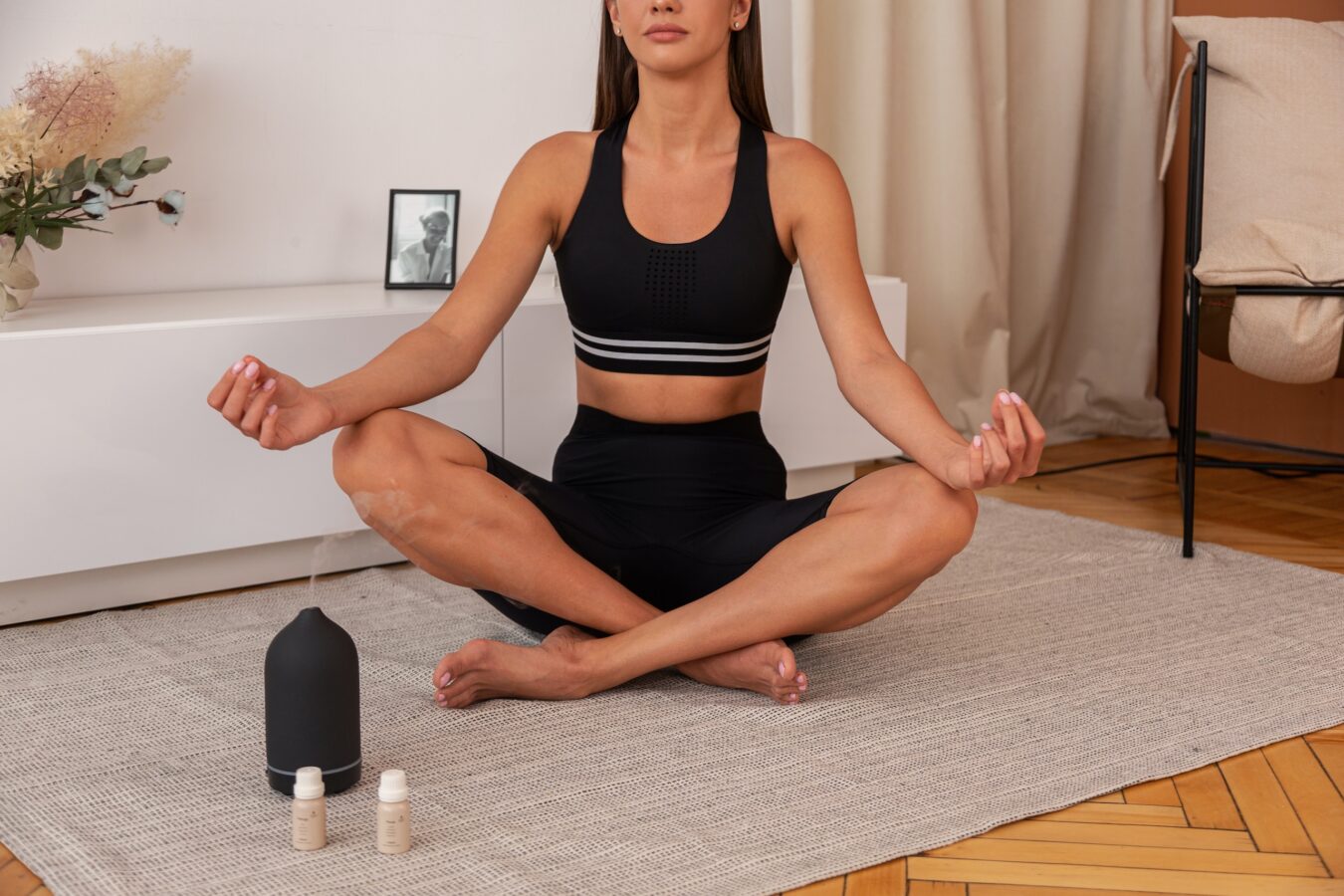
The health and wellness industry has long advertised “quick fixes” for people particularly troubled by their conditions of life and health. These quick fixes, often monikered as “life hacks,” can be presented as easy ways to improve the way we live and the degree to which we feel well. The mental health field has recently become a realm where these narratives have found fertile ground, with self-care being reduced to face masks and warm baths and various forms of treatment and healthy supplements getting bucketed as part of such “hacks.”
Yet there is no quick fix when it comes to mental wellbeing, and it’s important for people to recognize that lifestyle changes are still necessary in order to find sustainable solutions, even when receiving professional support. Through this article, we will explore ways in which professional mental health care can work alongside healthy daily practices to create a wellness toolkit that is robust, practical, and sustainable.
Before we discuss some of the practices that might be helpful in your toolkit, let’s talk about why we need to think beyond any single treatment approach when it comes to mental health. It is important to recognize that professional mental health support can be tremendously helpful and, for many people, an essential part of managing mental health challenges. This article does not intend to minimize the value of professional care. Rather, it encourages a broader perspective on wellbeing by viewing treatment as one component of a comprehensive wellness strategy.
Professional mental health treatment can help create a stronger foundation for growth, making it easier to engage in healthy habits, develop new coping skills, and navigate life’s challenges more effectively. The benefits of treatment are often best supported through consistent daily practices that reinforce emotional resilience, self-awareness, and personal growth.
Additionally, professional support does not necessarily address every underlying factor that may contribute to emotional distress, especially when challenges are rooted in trauma, difficult life experiences, cognitive patterns, societal pressures, unhealthy relationships, or other environmental influences. What it can do is help reduce barriers to healing and create opportunities for long-term growth and recovery.
Now, let’s discuss some habits you can integrate into your daily life that can help strengthen your overall mental wellbeing and reduce over-reliance on any single form of support.
Sleep, Nutrition, and Movement
These are three extremely important categories when it comes to wellness. The basics of taking care of our bodies go a long way in ensuring that we are setting ourselves up for success every day.
While individual needs vary, most adults require approximately 7–9 hours of sleep each night to function at their best. Depending on your health concerns, fitness goals, and ability levels, being intentional about proper nutrition and regular physical activity is also essential. These practices help activate the body’s natural mechanisms for restoration, resilience, and growth.
Healthy Emotional Release
If this sounds vague, it's because it is. There is no one-size-fits-all approach to dealing with the different micro and macro incidents that can shift us from our baseline of wellbeing.
Before reflection and action can occur, we need to create safety and agency in our experience while acknowledging the impact of difficult situations. Oftentimes, this requires some form of emotional release. This could involve crying, documenting thoughts through writing or speaking, seeking social support, allowing for rest, or engaging in other healthy coping strategies.
While venting and expressing frustration can be helpful during the initial stages of processing difficult emotions, it is important that we avoid making major decisions while in that emotional state. Over time, we can work toward responding in ways that align with our values and long-term goals.
Inquiry Into Our Conscious and Subconscious Mind
Understanding our conscious thoughts and feelings can be accomplished through focused journaling. Writing about a specific day, topic, emotion, or experience can help clarify our thinking and uncover important insights.
Creative methods such as scrapbooks, vision boards, collages, and artistic expression can also be valuable tools for self-exploration. Alternatively, you might record voice memos, talk through experiences aloud, or engage in role-play exercises where you imagine conversations with different versions of yourself or other people involved in a particular situation.
For exploring the subconscious mind, free-associative journaling can be especially helpful. This approach involves writing continuously without focusing on a specific topic or filtering your thoughts. The resulting stream of consciousness can reveal recurring narratives, desires, fears, and goals that may not be immediately apparent.
Other approaches to exploring the subconscious include artistic expression, dream reflection, and mindfulness practices, whether guided or self-directed.
Goal-Setting, Follow-Through, and Behavioral Skills
While caring for our inner world is important, the importance of action cannot be overstated.
By setting goals—whether large or small—and following through with them, we build trust in ourselves, foster hope, strengthen self-efficacy, and develop the ability to regulate difficult emotions more effectively.
When pursuing goals over extended periods, it is natural to lose momentum, particularly during times of emotional difficulty. For this reason, smaller and more immediate goals can often be more effective. If necessary, start with simple goals that feel manageable. An example might be avoiding your phone during the first 30 minutes after waking up.
Behavioral skills can also help counteract negative emotional states. One example is the DBT skill known as opposite action, which involves doing the opposite of what difficult emotions may be urging you to do. For example, going outside for a short walk when your instinct is to remain in bed can help interrupt unhelpful patterns and encourage healthier habits.
These goals and behavioral practices do not need to be ambitious. In fact, starting small is often the most sustainable approach.
Positive Social Interactions
One of the strongest predictors of wellbeing and longevity is the presence of positive social connections.
Our relationships with friends, family members, mentors, neighbors, and members of our communities play an important role in supporting mental health. However, it is equally important not to overlook smaller positive interactions throughout the day—with a barista, cashier, coworker, acquaintance, or even a stranger.
Although digital communication has made us more connected than ever, in-person interactions remain especially valuable whenever possible. Meaningful face-to-face connection can strengthen emotional wellbeing in ways that online communication often cannot fully replicate.
Of course, talk therapy in conjunction with other evidence-based mental health supports is considered a highly effective approach for many people and can help identify the habits and practices that best align with your unique needs.
As neuroscientist, professor, and podcaster Andrew Huberman states, “Better living through chemistry still requires better living.”
Linked below is a podcast highlighting science-based practices that can help you create a mental health toolkit that supports long-term wellbeing.
Mental Health Toolkit: Tools to Bolster Your Mood & Mental Health
Mental Health Toolkit: Tools to Bolster Your Mood & Mental Health