





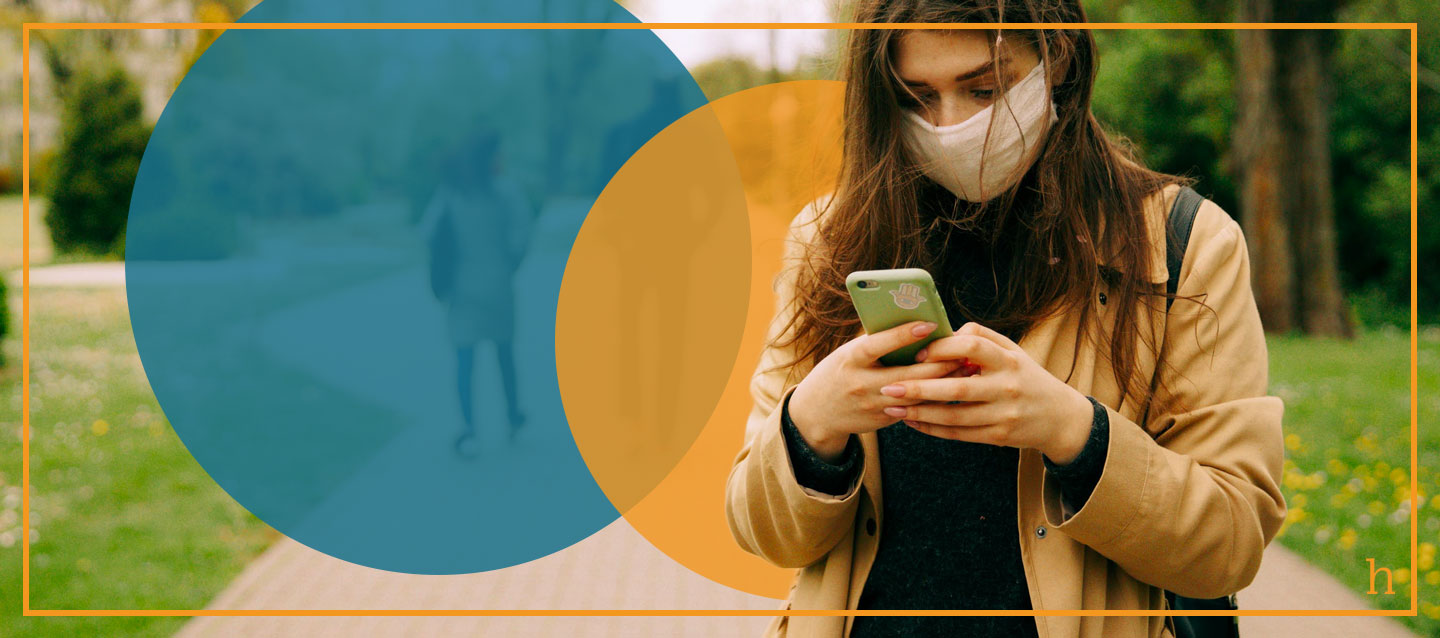
Are you reading this on your phone?
Most likely, you are reading these words on your personalized, portable anxiety box. Before this year, controlling endless scrolling had been a struggle for most smartphone users, but 2020 combined it with a most potent sensation: doom. It has been a tough year.
Doomscrolling is a gallows humor word to describe behavior that feels as necessary as it feels destructive. It often happens by accident; a post on social media, negative news, or even a text from a friend can draw us in. Then, before we can register what is happening, we get stuck in a virtual world that bombards us with disturbing images, painful truths, and ugly distortions.
Most people are aware that engaging in this habit is not exactly healthy, but people underestimate its power to influence our mental health. Doomscrolling is taking its toll on you. And this year, my bet is you simply cannot afford that extra tax.
Signs and signals that doomscrolling is affecting you:
- You feel uneasy and defeated after being on your phone (or computer)
- You are staying up at night because it is difficult to put your phone away
- You feel overwhelmed and helpless regarding your political agency
- You find yourself neglecting hobbies, people, and chores to be on your phone
Understand why you are engaging in doomscrolling
There are a few different reasons an individual might get caught up in this activity. You might find yourself in one or multiple of these categories:
- The need to know and protect yourself. Humans are threat-adverse. It is in our nature to want to look for, examine, and be aware of any threat to our safety. If you feel safer knowing the endless bad news, this might be your motivation for doomscrolling. However, there is a difference between being informed and being overwhelmed. Judicial reading of information you need, firmly planted in context, is different from relentless, random, and often exaggerated news. If you are doomscrolling to alleviate anxiety, you are also feeding anxiety, which, yep, keeps you on the app and out of your life.
- The need to relax. When we are stressed out, or slightly bored, we tend to reach for our phones. This is also a natural tendency to want to dissociate from the present moment. If you find yourself anxious or uncomfortable when not on your phone, this might be your motivation for doomscrolling. We use our phone to regulate our emotions and often numb out of uncomfortable ones. As you can imagine, we often find ourselves more stressed after an hour of scrolling than before. Although our intention was to relax, doomscrolling does not satisfy our need to relax. Instead of doing something that might genuinely help us relax us, we are pulled into this unsatisfactory behavior.
- Civic duty. It is 2020. Black Lives Matter and you want to show your support. There is a critical election and you need to be informed. There is a global pandemic and recession and you need to be informed. If you feel guilty for not being entirely caught up on the news, this might be your motivation for doomscrolling. Like the other motivations, this one is natural and well-intentioned. However, doomscrolling often leaves people drained and disillusioned, and it's hard to be politically motivated and take meaningful action with those heavy feelings weighing you down.
The common thread between these motivations is that they are all from natural human drives to protect ourselves and others. They also seek a specific satisfaction from the action of doomscrolling that not only can it never provide, but often deepens the original need.
Steps you can take to protect yourself
Taking ownership of your time and your mental health is crucial in a year that is full of many personal and universal challenges. Understanding your motivations can help you gain control over this habit by directing yourself more towards what you need— be that safety, civic engagement, or relaxation.
- Once you understand your motivations, the next step is to practice loving self-parenting with yourself. If you saw a child doing what you were doing, you would set some rules around phone use—that is what you need to do for yourself. Ask yourself: what would I suggest to a dear friend in my situation? My guess is you already know some steps you can take on a practical level.
- Make some rules and WRITE them down. Some suggestions include: Use a real alarm clock and don't look at your phone for the first half an hour you're awake. Allow yourself only to check specific, trusted resources twice a day. Delete apps. Set a timer for twenty minutes when reading news. Take full day-long breaks from social media apps or hour-long breaks if that seems too long.
- Talk to a friend, family member or therapist about doomscrolling and how it is affecting you. This will create accountability and give you support.
- Make some rules and WRITE them down. Some suggestions include: Use a real alarm clock and don't look at your phone for the first half an hour you're awake. Allow yourself only to check specific, trusted resources twice a day. Delete apps. Set a timer for twenty minutes when reading news. Take full day-long breaks from social media apps or hour-long breaks if that seems too long.
- Refocus on the present. Sometimes the day can fly by. Six months in quarantine have passed in a blink. You know how slow time is when you put down your phone? With the extra time of not being on your phone, return to your present. Is there someone there who would appreciate you asking how they are? Is there a plant that needs watering? A book that has been sitting on your bedside table? If you choose it, the present will serve you every time.
- If there are uncomfortable emotions that come up in the present, that is OK. It might not feel great, but these are probably the feelings you are avoiding when you pick up your phone. Rather than try to avoid them, try to process uncomfortable emotions. You can do this by journaling, talking to someone, or simply feeling your emotions for a minute. If this is too distressing, intentionally choose a healthy way to distract yourself, like watching a beloved movie or going for a walk.
- If there are uncomfortable emotions that come up in the present, that is OK. It might not feel great, but these are probably the feelings you are avoiding when you pick up your phone. Rather than try to avoid them, try to process uncomfortable emotions. You can do this by journaling, talking to someone, or simply feeling your emotions for a minute. If this is too distressing, intentionally choose a healthy way to distract yourself, like watching a beloved movie or going for a walk.
- Practice Self Care. Self-care looks different for everyone, but it is always about taking an active role in your physical and mental health. This might include exercise, time outside, or engaging in a creative hobby. If you aren't sure what your self-care looks like, this is something to explore.
Doomscrolling is an understandable compulsive behavior during these stressful times, one you are most likely doing somewhat unconsciously, and you should not blame yourself for coping this way. Despite whatever brings us to it, doomscrolling only creates more anxiety, depletes emotional resources, and demotivates us from taking actions to protect ourselves and others. However, if we can begin to recognize and name our motivations and the emotional needs behind this habit, we can seek out what we require from a moment.
So, let me ask you, person on your phone, what do you need from this moment you are in?
Helpful Resources
Although you need your phone or an internet connection to use these resources, you can use them to stop reading the news or social media relentlessly.
- Free guided meditation app: Insight Timer
- Free online yoga: Yoga with Adriene
- Free plant app: iNaturalist